Carcassonne Conquests: Building Strategies for Medieval Glory
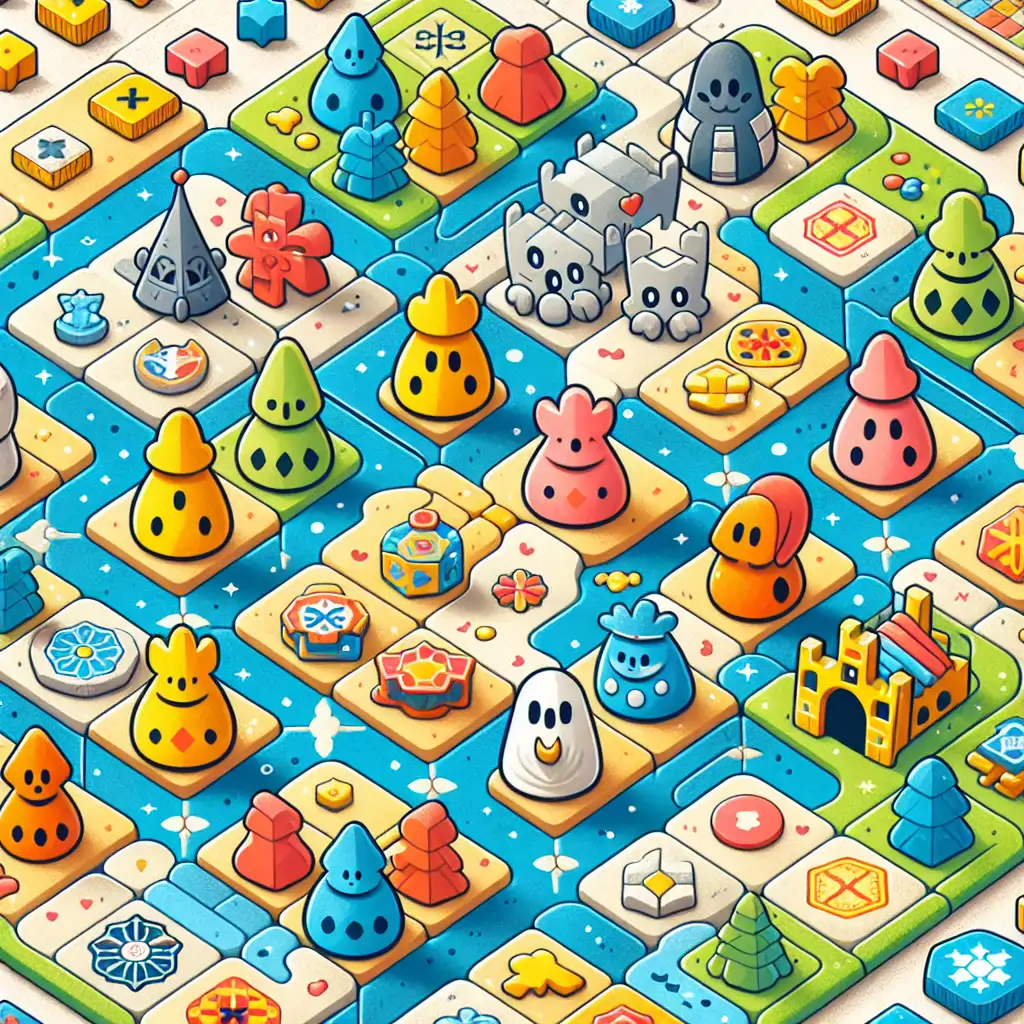
Carcassonne, a game where medieval charm meets strategic prowess, transports players into a world of sprawling landscapes and quaint castles. Imagine yourself a medieval architect, wielding tiles like a deliberate brush stroke on a canvas, creating roads, cities, and cloisters. Your army of meeples stands ready to stake claims and thwart rivals in a ceaseless pursuit of points and prestige. As you ponder your next move, you can almost hear the clatter of hooves and the hustle of market square traders. But before you get absorbed in a never-ending game reminiscent of the Hundred Years War, let’s imbue this adventure with strategy and, of course, a sprinkle of humor.
This blog, affectionately named 'Carcassonne Conquests: Building Strategies for Medieval Glory', seeks to arm you with the tactical know-how needed to turn tiny fiefs into unwavering empires. You’ll learn how to dominate cities, monopolize roads, and become a true master of monastery placements. Whether you're the eager novice who can’t wait to send a farmer sprawling across the grasslands or a seasoned strategist weary from countless tile-draw dilemmas, this guide will help enrich your Carcassonne experience. So buckle on that metaphorical knight’s armor, and let’s transform those humble hills into a battleground worthy of a bard’s next ballad!
Our journey won’t just be about outwitting opponents with masterful moves; it’ll also cover the refined art of expansion and the devilish tactics of strategic blocking. We’ll delve into the nuances of meeple management, teaching you to balance modest reserves against the grand ambitions of an empire-builder. While some strategies will leave your fellow gamers gawking, others might just result in a good-natured chuckle (even if it’s at your own expense). It’s time to swap idle grasslands for competitive territories in this hilariously insightful journey to Carcassonne glory!
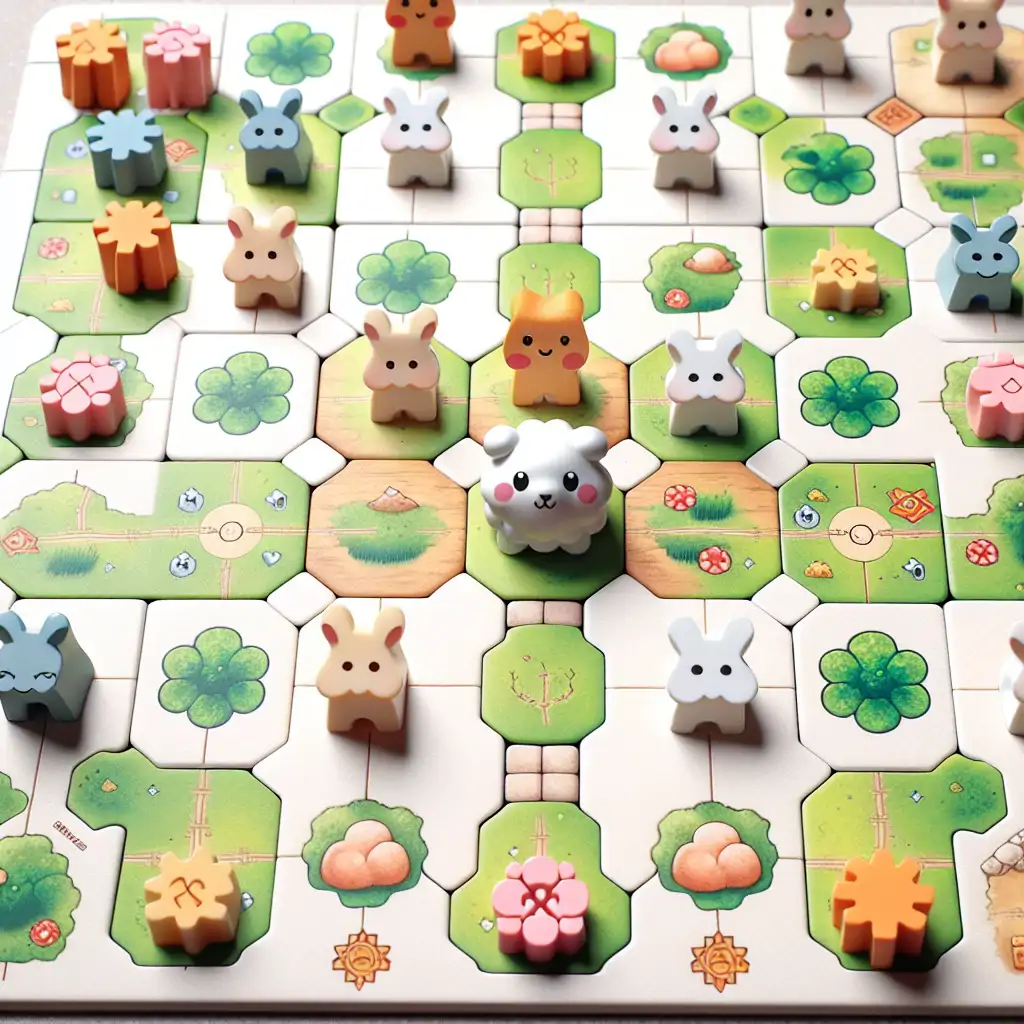
When it comes to laying tiles, start with a blueprint for success. Opening with a road tile might seem as commonplace as a medieval market negotiation about turnips, but consider its potential. Roads can be captivating avenues for continuous growth, allowing you to place meeples and score consistent, if modest, points. Prioritize linking roads to existing structures, crafting longer paths and paving the way for eventual cloister placements. It’s not just about immediate gratification but setting the stage for cumulative victories that snowball over successive turns.
Ah, the cities of Carcassonne, where dreams are built with each tile. There’s a reason players covet urban expansion: cities are point powerhouses. Constructing industriously, yet strategically, lets you reap rewards goldier than the Barons’ treasury. However, be cautious! Overcommitting too early, placing half an army’s worth of meeples into unfinished metropolises, might leave you reduced to a peasant scheming next to a pigsty. Always consider opponent proximity, and how quick expansion or fortification can convert hopeful dreams into a series of indefinite taxes.
Monastery life is a wholesome one, albeit fraught with pottery classes and evening chants. But beyond their spiritual aura, monasteries are pivotal strategic focal points. These humble sanctuaries yield handsome profits when surrounded entirely by tiles. Consider places where frequent neighboring tile placement is inevitable. Carving out a personal monastic estate with cleverly placed monasteries ensures you earn maximum points, while opponents are busy pondering the ethics of stealing your lunch money with savvy tile placements.
Completing features isn't merely about laying the next available tile. It's a multi-layered game involving foresight, timing, and a dash of opportunistic flair. Anticipate competitor strategies, such as sealing your economic nemesis within an incomplete city, or elongating their roads to monotony. Scout every tile’s potential. Not only do you want to maximize your own resources, but also subtly detract from others, leading to delightful groans and grudging respect from everyone assembled around the table.
Blocking is an art as old as castle duels and is an art form you shouldn't dismiss. If Sir Meepleton is attempting an undisturbed march towards a sprawling city, a well-placed road tile could spell disaster—or at least a modest inconvenience. Strategic blocking involves careful observation of opponents' pieces calibrated to seem like coincidence. But remember, too much village mischief can backfire, so be sure to balance between obstruction and progression or risk gaining a reputation for unnecessary malice.
Let’s talk about collaborative competition, a concept perhaps as paradoxical as waving a sword in a peace treaty discussion. Joining features, whether it be roads, cities, or fields, can be a convincing strategy if used judiciously. Consider the power of shared ownership. When profits from a mutual enterprise seem enticing, weighing your tiles against an opponent’s can lead to small alliances which benefit both parties—or a friendly betrayal if you fancy a Stardust-style twist. This requires a poker player’s grin.
Meanwhile, savvy players keep an eye on the tile draw tin and what’s left concealed by its metallic lid. Yes, counting tiles strikes fear and yawning boredom into most players, but knowledge seals your strategic fortune. Sleuth the likelihood of needed pieces. Keeping track of the existent tiles lets you predict possibilities, prioritize contingencies, and impress at least one person at the table with your unique monk-level memory.
In the colorful array of Carcassonne territories, mastering grasslands with farmers is a nuance many overlook. Fields stretch eternally, like a hungry dragon through the kingdom, impacting points without rivals noticing until the final reckoning. Farmers are fundamentally commitments: once laid, never moved. Surprises await around fields’ final tally; being mindful when seeding your green-thumbed meeples ensures potential for that spectacular moment when everyone else crumples under immense plundering victory.
Tile draws can be a meddlesome mistress. Opening fewer than stellar tiles by themselves might feel like receiving an invitation to a banquet boasting spoiled cabbages, but do not despair. Adaptability in planning is invaluable. Building complementary or compensatory tiling sequences marks a display of strategic flexibility. Observe opportunities where they may exist and be relentless in connecting every available piece, sometimes swapping grand designs for modest, victorious integrations which lead to far greater long-term results.
In the sage words of the legendary philosopher (read: any seasoned Carcassonne player), it’s pivotal to balance aggression and benevolence. Adopting either extreme without grace typically results in triumph losses. Play aggressively through expansion and decisive moves, yet remain generous by not overhauling your largest constituent into an unsuspecting foe’s treasure. Earning the respect—or mock admiration—of fellow villagers often benefits long-term stature, ensuring not only immediate gains but defining thriving relations.
Ahab the Keeper once embarked benevolently amidst monastery walls, claiming rival alliances with decreed dignities. And so should you, embarking on strategic positioning without the overreliance on dominating everything. Estimate the value of select regions, abutting territories as required, while calculating spillage risks and spelunking commitments beyond ready paths. Appraise early inclinations with tolerance, rewarding completion through careful seasoning into sustainable prospects rather than gut instincts.
In every expansion lies the ghost of opportunity and its often-forlorn partner: its limitation. Knowing when to actively cease ambitions is just as indispensable as expansion itself—if unappreciated. The mystic art of non-expansion dovetails neatly with rationing those irreplaceable meeples. Staving off the medieval hunger of ambitions often appears counter-intuitive; yet this path might yield outcomes undeniably satisfying, a clash between veneration perunniqueness of puzzle against overzealous competition.
Road looping, that most outdated of medieval strategems, demands an unheralded mastery that wanders beyond simplicity into eminently exquisite brilliance. Investing resources into this method, bolstered by talent and subtlety, may yield harmonious symphonies of untold scores—those grand undertakings reached beyond probable courses need inspiration of masters. Should loop length dampen your heart of steel, use curvature impressively, multiplying score rewards over repeated forays beyond damp roadblocks.
The entirety of medieval merriment rests upon the final act: executing what’s termed endgame optimization. As pieces deplete until fanciful abstractions remain, shrewd alignment enveloping positioning reveals formidable calculatory discipline. Missed potential here is as loathsome as forgetting fair maidens’ promises; repair wishes, employing disciplined resolves directing unfinished tile arcs into cultured completions. Nothing spells grandeur greater than renegades of endgame glory within Carcassonne’s hallowed alleys.
Study the terrain with your unforgettable gaze. Bearing similarity to deliberate mistep which befalls mendacious mapmakers, wise adjustments cast in deviation avoid foundational disasters. Employ foresight through strategy experimentations aligned to personal camps; failing wisely minimizes lives financially spent rebuilding next era’s ambitions anew. Calculating then entails studying terrains anew, amplifying corrections thoroughly guided by adversities garnered from exhibitions committed under unintended penalties.
Expansion tweedles with strategy dance undeniably cheek-to-cheek; the distinct advantage encircles expansions pronounced with cautious consideration, carefully balancing into established empires the marvel of balanced path building weaving horizons of yesterday anew. Blueprint empires influx rarely disappointed those motivated by perfection amidst reigning great houses, adopting facets left unused whilst wild occurrences always raise zing into standard empires where mighty domains compare favourably entertained.
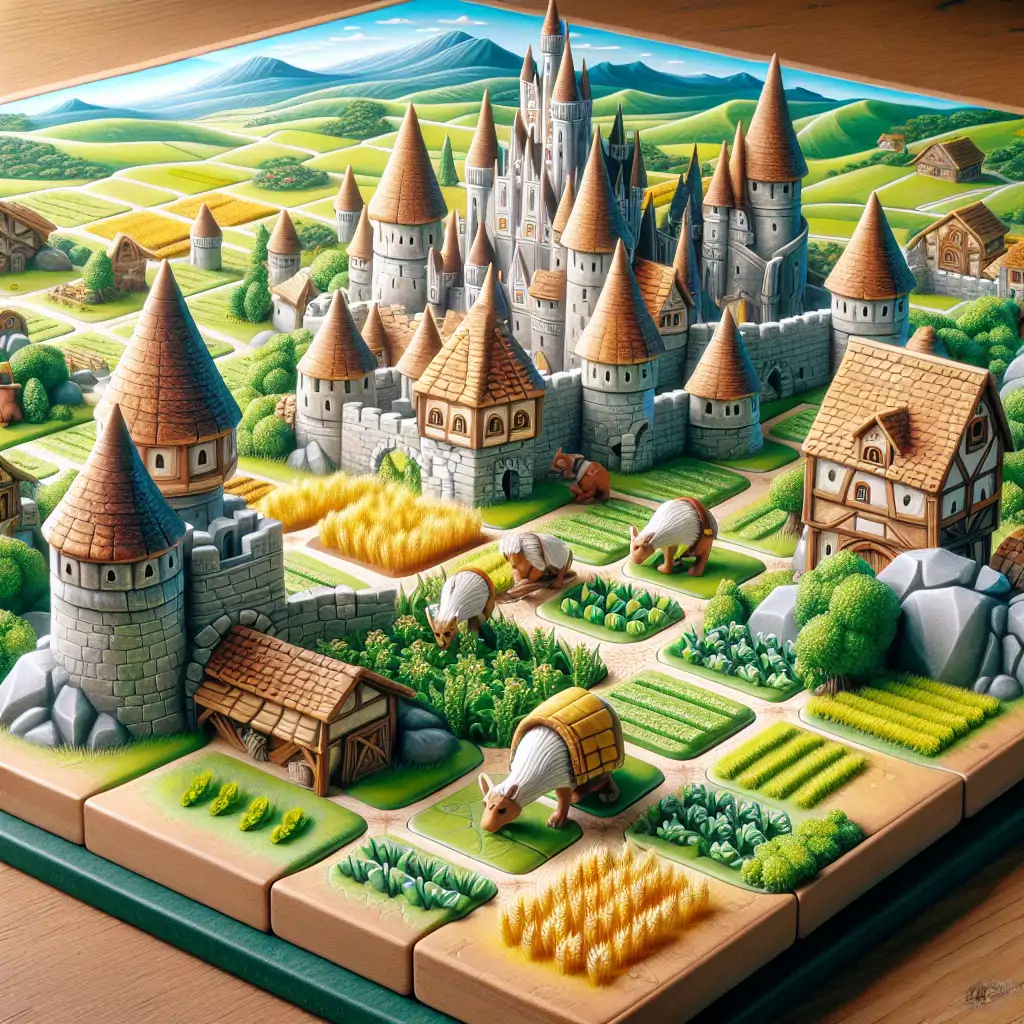
With your newfound arsenal of strategies, you’re ready to tackle the meandering roads and rival-run cities of Carcassonne with panache. The pathway to domination lies not only in aggressive tile placement but also in the subtle art of timing and resource management. Understanding the delicate dance of expansion and blocking, while remaining adaptable to changing terrains, can make even the most cautious of strategists into formidable challengers.
Carcassonne is a game not just of mechanics, but of storytelling; each tile placed unveils a chapter in a grand medieval saga. As you gather around the table with friends and foes alike, employ these strategies to turn your villages into sprawling urban centers and your meeples into the most influential citizens of the board. Remember, while it's important to play to win, the true joy lies in enjoying the game itself and the hilarious, often unpredictable, nature of its unfolding tale.
So, arm yourself with strategy and humor, ready to claim victory one tile at a time. With patience, cunning, and perhaps a bit of luck, you'll transform into a maestro of Carcassonne, creating not just a kingdom but stories worth retelling. Whether it's your first tilt or your hundredth, these legacies of landscape conquest will surely make you the board game guru you were meant to be!
Thanks for taking the time to read my article! You may also find this one interesting.
Terraforming Mars: Crafting the Perfect Red Planet StrategyTil next time! Katie

Katie
Katie is a wildlife guru by day and a passionate part-time blog writer. With her deep expertise in nature and a gift for vivid storytelling, she crafts compelling articles that bring the wonders of the wild to life, captivating readers with her knowledge and love for the natural world.
A proud member of the B-Team
If you're curious to dive deeper into related topics, then you may find these external links useful.
1. BoardGameGeek Carcassonne Page
A comprehensive page about Carcassonne, including reviews, strategies, and community discussions. It's great for learning more about the different game strategies and expansions.
https://boardgamegeek.com/boardgame/822/carcassonne2. Carcassonne Strategies on BoardGameQuest
An article focused on advanced strategies in Carcassonne, helping players understand how to optimize their moves and anticipate opponents' strategies.
https://boardgamegeek.com/thread/3091666/carcassonne-beginners-strategy-tips-and-tricks3. Meeple Mountain's Guide to Carcassonne
A guide providing insights into different Carcassonne strategies, including tile placement and meeple management, suitable for both new and seasoned players.
https://www.meeplemountain.com/articles/carcassonne-strategy-guide/4. Carcassonne on Tabletop Simulator
A resource on playing Carcassonne virtually, offering instructions on setup and gameplay which is relevant for adapting the game's strategies in an online format.
https://steamcommunity.com/sharedfiles/filedetails/?id=2637880545. Wikipedia Article on Carcassonne (Board Game)
An overview of the game's history, rules, and strategic elements. Useful for understanding the game's origins and essential gameplay mechanics.
https://en.wikipedia.org/wiki/Carcassonne_(board_game)©2023 - 2026 SP Software Solutions Ltd. All rights reserved.