Clueing Into Winning: A Detective's Guide to Clue/Cluedo
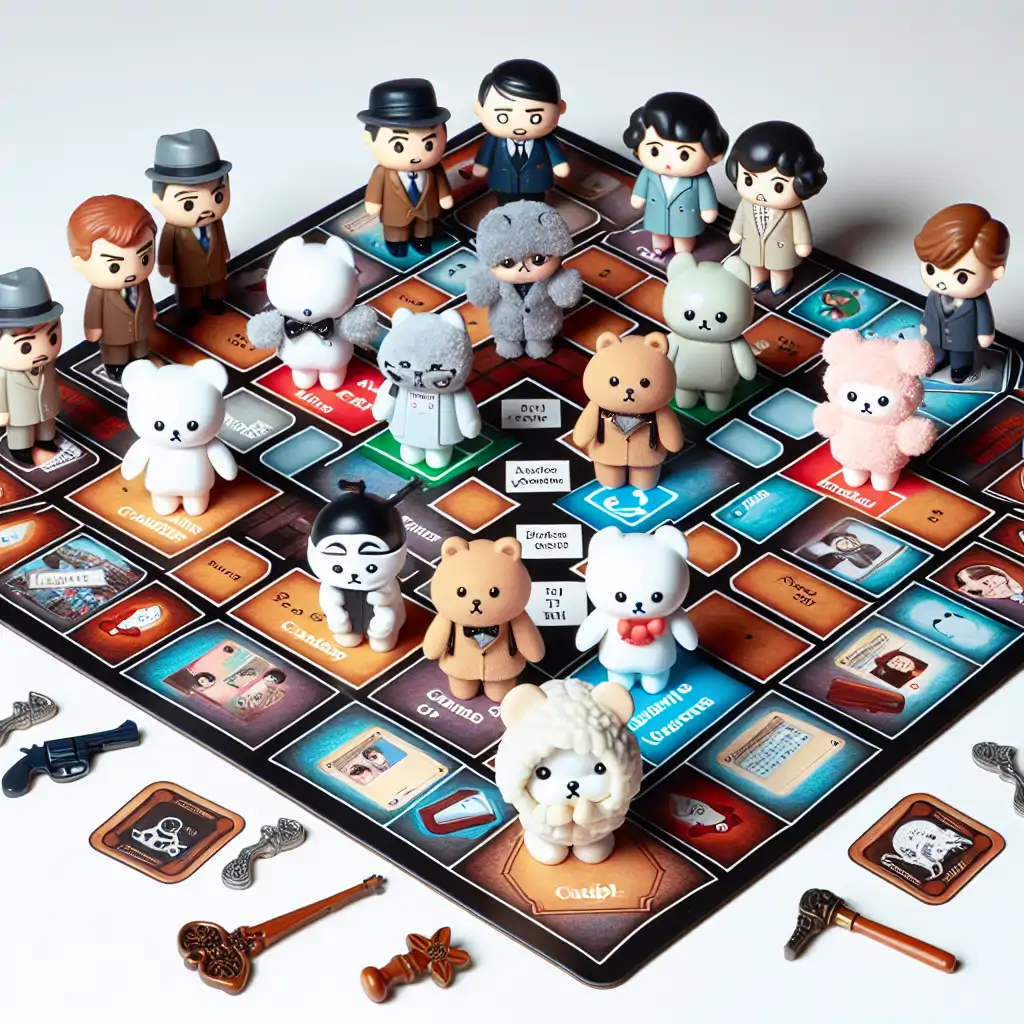
Have you ever, in the dim glow of a game night, felt the undeniable urge to don a deerstalker hat and cry out, 'Elementary!'? If so, you're in the right place! Clue (or Cluedo for my friends across the Atlantic) is the quintessential game of mystery, murder, and suspicions. With its cast of colorful characters, from the dashing Miss Scarlet to the enigmatic Professor Plum, the game invites you to step into a world of killer plots and mind-boggling mysteries. Ready your magnifying glass and prepare to unravel the secrets that lie deep within Tudor Mansion. This blog is your ultimate guide to not just playing Clue but mastering it with the grace of Holmes and the humor of Poirot. Whether you're a novice detective or a seasoned sleuth, this guide promises to morph your casual curiosity into victorious declarations of 'It was Colonel Mustard in the Library with the Lead Pipe!' There's a fine art to deduction, and soon, you'll be clinking teacups with victory as your reliable companion. Onwards, dear sleuths, let us arm you with enough strategy and wit to turn your game nights into legendary tales of triumph!

Let's dive into the nitty-gritty of Clue's world of mystery! At its core, Clue is a battle of wits where players embody detectives on a quest to unveil who did it, where, and with what. The game's design cleverly combines chance and strategy, with the roll of dice dictating movement across a mansion layout and deduction skills steering you to crack the case. Each mansion room, weapon, and suspect is wrapped in a veil of intrigue, compelling players to dig deeper with each turn. Decoding Clue isn't merely about guesswork; it's about staying one step ahead of your fellow detectives. Gather clues discreetly and cross-reference them with your suspect list until you zero in on the solution. Remember, the truth is within grasp – understanding the game’s mechanics positions you at an advantage, leading you ever closer to your ‘Eureka!’ moment. Join us as we break down each fragment of Clue to empower your detective journey!
The Clue board is as much a character as the suspects themselves. Each room, from the opulent Ballroom to the cozy Conservatory, plays a crucial role in your investigation. But this isn't your average open house tour. Smart detectives know that leveraging room placements can provide strategic benefits. The secret passages, linking non-adjacent rooms, are your personal express routes, perfect for dodging a crowded board and popping up where least expected. Timing your positioning in these passages can set you up for unobstructed leads or reveal intriguing body language from your competitors as they fumble into a newly discovered clue. Rooms also influence weapon and suspect location inquiries. Presenting an inquiry while stationed in a room forces your opponents to divulge a piece related to that specific locale. This strategic use of rooms adds another layer to the game's complexity, elevating your detective acumen and ensuring you're one step closer to unmasking the culprit.
The suspects of Clue are not mere pawns on your mystery-solving board; they are vibrant personas with distinct narratives, each one draped in history and suspicion. From Colonel Mustard's military bravado to Mrs. Peacock's society charm, understanding these character profiles enriches the storytelling and puzzles wrapped within. As you play, listen for clues beyond the cards - consider behavioral signals from your friends. Did Miss Scarlet glance at the Dagger card a little too eagerly? Did Mr. Green avoid answering a question about the Dining Room? These subtle cues are as integral to your strategy as tangible evidence. Lean into this performative art, and you’ll find that your game transforms from a casual pastime to an immersive theatrical experience, brimming with intrigue and amusement. In the world of Clue/Cluedo, every player is a piece of the narrative. Exploiting the nuances of battles with words and wit can turn the tide in your favor.
Weapon selection in Clue can feel like choosing your sidekick from a lineup of peculiar friends. Will it be the dramatic candlestick or the more conventional revolver? Each weapon placed around the board becomes part of the chess match of logic and deduction. Savvy players recognize that frequently overlooked weapons can become the final piece of evidence in the grand reveal. Slipping the right weapon into an inquiry can unsettle your opponents, prompting them to reveal cards they didn't wish to expose. Furthermore, collecting responses to weapon queries lets you eliminate possibilities methodically. Every reply received is a piece subtracted from the jigsaw until you're left with a pristine picture. Engage in playful banter over weapons, and their narrative will enrich the Clue experience greatly. The winner is the one who turns miscellanies into masterpieces of mystery-solving!
The rules of Clue are the foundation upon which every bold move and cunning tactic stands. With each turn, players roll dice, move through rooms, and take turns asking pivotal questions. Yet, what separates the master sleuths from the rest is their ability to strategize these fundamentals. Understanding the importance of your turn order can not only dictate pace but also reveal insights into your fellow player's mental map. For instance, making queries about the same suspect as the player before can reveal whether they are onto something substantial or simply bluffing. Different players adopt varied pathways around the board, and noticing these patterns can unveil their strategic thinking. Each choice speaks volumes about your opponent’s game mindset, making even the smallest decision crucial to your process of elimination. Thus, mastering Clue’s rules isn’t only about knowing them—it's about wielding them to carve out your victory path.
In Clue, your notebook is akin to a knight's sword—a confidante in deciphering the intricacies within the mystery. An adept detective knows that organized notes are key to cracking the case. Create a well-structured system to track your inquiries and responses meticulously. This practice enhances your process of elimination and permits a clearer view of potential inconsistencies in player behavior. Whether you use traditional pen and paper or a complex grid, adapt this tool to suit your deduction style. Some sleuths opt to track opponents' questions too, turning their interests and hesitations into data points. Anything that doesn't match your notes could potentially be a crucial slip-up or indecipherable evidence missed by others. Being fastidious with your note-taking not only helps decode the crime faster but also places you a step ahead when tension tightens. Embrace the discipline of note-taking, and you’ll find the title of Master Detective within certain reach!
Asking the right questions in Clue is an art form and the bridge between mystery and clarity. Each inquiry should be purposeful, aimed not just at receiving responses but gathering intel on the hidden cards and strategies of fellow players. Look for chances to ask layered questions to mask your intentions, keeping your investigation’s trajectory confidential. When questioning weapons, note any player’s resistance or hesitance as possible leads. Be conscious of the order of your questions—you don't want astute opponents deducing your deductive sequence. Layering questions also taps into the psychological aspect of the game, nudging opponents off balance, leading them to reveal more than planned. Exploit gaps in their defense, probing weaknesses without giving away your own tactics. The goal is simple: compose symphonies of strategic questioning, advancing you lightyears ahead in the Clue mystery game.
Bluffing in Clue can often be as essential as actual deduction. While Clue is most certainly a game of logical reasoning, injecting a flair for deception can provoke pivotal slip-ups from your opponents. Crafting a false sense of security with false leads can entrap rival detectives into revealing their ever-crucial cards too early. Pretend a particular room fascinates your analysis, ensuring opponents will waste time gathering data on it. Similarly, mimic interest in a weapon, causing premature revelations that feed your evidence. However, be warned: overdoing the bluff can backfire, revealing your strategy's depth to the very people you're trying to fool. The trick is to blend lies with truths, wrapping genuine deductions in subtle layers of misguidance. This nuanced approach bolsters your mystery-solving prowess, ensuring you emerge as the celebrated victor in the world of Clue.
A flexible approach is vital when playing Clue, as the dynamics change rapidly with every move players make. Remaining rigid in your game plan can leave you vulnerable; instead, wisely adapt as new information unfolds. Observing others around the table, consider when it’s time to shift focus—if a player consistently inquires about Professor Plum, perhaps it wasn’t just a random choice. Adjusting your strategy might involve following a new line of questioning or refocusing on a previously dismissed suspect or location. The key is maintaining the ever-crucial balance between dedication to your deductions and fluidity to redirect your efforts. Assembling disparate puzzle pieces demands creative flexibility, allowing you to navigate the ever-shifting landscape of Clue’s intelligent gameplay. By championing adaptability as your modus operandi, you can preemptively thwart others’ conclusions while enhancing your path towards victory.
An astute detective pays close attention to opponents' body language, as Clue is not only played on the board but also in the mind. Key clues can be extracted from the player's subtle tics or reactions during inquiries. Eyes wandering unexpectedly, shifting seats, or hesitating to answer—all of these non-verbal signs can reveal more than the cards themselves. Learning to read these tells can offer insights into players’ cards and intentions, giving you a strategic advantage. For instance, if Colonel Mustard hesitates before showing a card concerning the Dining Room, it might indicate crucial information you're missing. Casually converse with opponents to provoke unguarded reactions, creating an environment where you can discern their inner thought processes. When artfully utilized, this perception becomes a tremendous asset, allowing you to piece together the hidden truths and solve the mystery effectively.
Embracing the performative aspect of Clue heightens the fun as you simulate a full-fledged detective drama. Dive into characters with enthusiasm, bringing Colonel Mustard’s tactical precision or Mrs. White’s mysterious demeanor to the fore. When you embody these roles fully, the shift in atmosphere can lead to unexpected revelations and spontaneous alliances—or even playful rivalries. Encouraging others to play along crafts a narrative enriched with imagination, laughter, and surprises. The theatrical flair can create a ripple where information is exchanged, fostering creative storytelling and dynamic problem-solving. Whether you’re diligently inspecting clue cards or dramatically accusing the wrong suspect for comic effect, immersing in character deepens the joy and complexity of every game. When all players commit to this shared fantasy, the resulting experience transcends a simple board game, becoming a memorable tale told long after the dice have hit the table.
The thrill of Clue lies in its blend of chance and skill, each playing a role in crafting engrossing stories and competition. While strategic astuteness is crucial, luck’s unpredictability adds that extra excitement to your investigation. Dice rolls dictate the path you carve out through rooms—the unknown element that reframes your decisions. Embrace this uncertainty with perseverance, using opportunities garnered by luck to inject freshness into your game. Don’t be disheartened when luck doesn’t sway your way. Crafting backup plans and capitalizing on variables that fall in your favor keeps your confidence robust. On the fortunate days when you land precisely where needed, seize the advantage swiftly so as not to squander Lady Luck’s fleeting generosity. This harmony of fate and foresight ensures that Clue retains its eternal charm, captivating detective warriors in its multifaceted embrace.
Victory in Clue is sweet when achieved with cunning detective strategies—and a smattering of humor. Nothing beats the delighted cry of ‘I’ve got it!’ when you’ve strung together the testimony of characters and room associations leading to a successful accusation. This moment encapsulates the reason why Clue remains a beloved game. Yet, remember that the ultimate goal is not solely winning but forging memories through the joy of play. Encourage infectious laughter and camaraderie among detectives, nurturing an experience beyond mere conquest. Share delightful anecdotes or build friendly rivalries as mysteries unfold. Whether you solve the mystery or find yourself bewildered by the end, remember that each game is a chapter in a greater narrative. Embrace both defeat and victory with equal fervor, knowing Clue's magic resides within the shared moments that resonate long after the board is packed away.
The camaraderie and shared stories behind Clue sessions transcend the game itself, forming friendships and institutions around murder mysteries. As players gather outside the game night setting, conversations often drift back to memorable plays, evoking laughs, high-fives, and outraged debates over cunning moves or luck’s intervention. Some players extend this enthusiasm toward devising personal mysteries, hosting thematic parties inspired by Clue’s timeless structure. Within these social frameworks, players cultivate creativity, analysis, and empathy, honing analytical skills while grappling with bogus murders over dinner or tea. Embrace this communal spirit found in Clue to bind friendships and create new traditions. Weaving intricate tales beyond the board fosters enduring relationships as adventures of wit and wonder unite detectives from every walk of life. Celebrate these networks, for Clue’s legacy lives within the hearts of those who continue the playful pursuit of mystery and intrigue.
In wrapping up our rollicking expedition through the world of Clue/Cluedo, it’s clear that this isn't just a board game—it's an experience that sharpens wits and unites kindred spirits in the pursuit of mystery. The vibrant characters, the tense anticipation of unmasking a murderer, and the merry dance of deduction are elements that make each game unique. We've armed you with strategies and insights to elevate your gameplay, transforming casual engagement into illustrious victories. Whether you prefer the reassuring formality of Professor Plum or the striking flair of Miss Scarlet, remember that each match tells a tale worth recollecting. Embrace the laughter, the debates, and the surprise revelations with your fellow sleuths—each an integral part of the Clue tapestry. Until we meet again on another dark and stormy night at Tudor Mansion, may your future deductions be as sharp as your wit, ensuring every game night becomes a legendary affair!
Thanks for taking the time to read my article! You may also find this one interesting.
Settling Scores: A Strategic Guide to Dominance in 7 WondersTil next time! Prijanka

Prijanka
Prijanka is a wellness coach and inspired blog writer. Drawing from her expertise in holistic health and her talent for motivating others, she writes insightful articles that empower readers to live healthier, more balanced lives, blending practical advice with a genuine passion for well-being.
A proud member of the B-Team
If you're curious to dive deeper into related topics, then you may find these external links useful.
1. Hasbro Clue Game Official Page
The official Hasbro page for Clue, providing detailed information on game rules, characters, and new editions of the classic board game.
https://shop.hasbro.com/en-us/product/clue-game-2013-edition/9BCB9C5E-5056-9047-F505-6D1166C5961E2. Board Game Geek Clue Page
A comprehensive resource from Board Game Geek containing reviews, strategies, and community discussions about Clue, ideal for both new and seasoned players.
https://boardgamegeek.com/boardgame/1294/clue3. The Spruce: How to Play Clue
An informative guide from The Spruce that offers step-by-step instructions on how to play Clue, along with tips and strategies for mastering the game.
https://www.thesprucecrafts.com/how-to-play-clue-cluedo-4112404. Mental Floss: Interesting Facts About Clue
An article from Mental Floss that explores fascinating trivia and behind-the-scenes stories about Clue, enriching your knowledge of the game's history and development.
https://www.mentalfloss.com/article/72462/13-mysterious-facts-about-clue5. YouTube: Clue Board Game Strategy Guide
A video guide on YouTube offering strategic insights and tips for playing Clue effectively, helping players think critically and outsmart opponents.
https://www.youtube.com/watch?v=WLG2jPlYM10©2023 - 2026 SP Software Solutions Ltd. All rights reserved.